Private Label Products: The Fastest Way to Launch a Skincare Brand
What are private label products?
- launch in weeks (not months)
- avoid costly formulation mistakes
- start selling while you build your audience and brand story
- focus your energy on marketing, content, and distribution
Private label doesn’t mean “generic.” It means proven—and your differentiation comes from branding, positioning, packaging, and the routine you build around the product.
Why private label products are a smart move for new brands
1) Faster time to market
Speed matters. The sooner you launch, the sooner you can:
- collect feedback
- improve your offer
- learn what customers actually reorder
- build momentum
2) Lower risk (and fewer expensive mistakes)
Custom formulation can be amazing, but it’s a bigger commitment. Private label products let you start with formulas that already perform, so you’re not investing heavily before you’ve validated demand.
3) Better focus: brand + sales
Most brands don’t fail because the formula was “bad.” They fail because they didn’t have:
- a clear niche
- consistent marketing
- a sales funnel
- retention strategy
Private label gives you breathing room to build those pieces.
How to choose the right private label products for your brand
Step 1: Start with your buyer, not your favorite ingredient
Ask:
- Who is this for?
- What’s their #1 skin concern?
- What would make them reorder?
Step 2: Pick a “hero” + one supporting product
Instead of launching 8 SKUs, start tight:
- one hero product (the main promise)
- one supporting product (to build a routine and increase AOV)
Step 3: Sample before you commit
Sampling is where you eliminate guesswork. You can test:
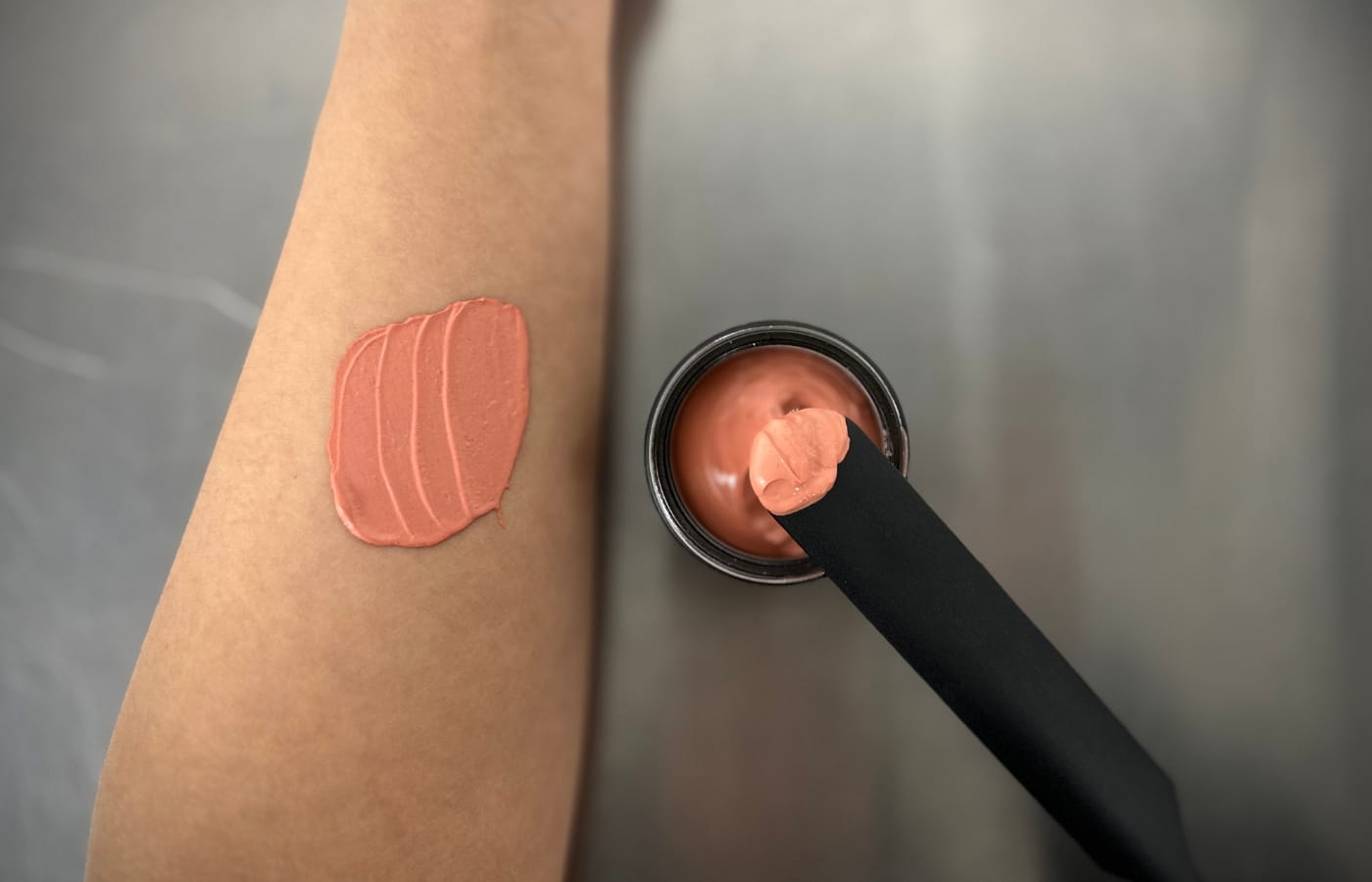
- texture and finish
- scent and sensorial feel
- how it layers with other products
- whether it matches your brand positioning (Core vs Luxe)
Core vs Luxe: which private label direction fits your brand?
- Core private label is great for everyday routines, broad audiences, and strong value positioning.
- Luxury private label is ideal if you want elevated textures, premium storytelling, and higher MSRP potential.
The biggest mistake founders make with private label products
- a clear niche (who it’s for)
- a simple routine (how to use it)
- content that educates (why it works)
- a sales strategy (how people buy)
- retention (how you get repeat orders)
The formula gets you in the game. The brand system is what makes you win.