Published in:
Business
3 Things You Need When Launching Your Skincare Brand
Launching a skincare brand is one of those ideas that starts out feeling cinematic: a clean label, a hero ingredient, a product that looks gorgeous on a vanity—and a vision that has to work because you’ve thought about it for months (or years).
And it absolutely can work. But the brands that actually make it past the “soft launch” phase usually have three things locked in early: realistic expectations, marketing, and a sales strategy. Not vibes. Not hope. Not “we’ll figure it out after the website is live.”
If you’re building your brand right now, here’s what we recommend having in place before you go all-in.
1) Realistic Expectations (Because Great Products Still Need Time)
Let’s start with the truth: even with an incredible formula, skincare is rarely an overnight win.
Most new founders underestimate:
- how long it takes to build trust (especially in skincare)
- how many touchpoints it takes before someone buys
- how much testing and feedback happens before a “hero product” becomes a bestseller
That’s why your first goal shouldn’t be “go viral.” It should be get to market intelligently, learn fast, and improve with real data.
A realistic launch plan includes:
- a clear niche (who it’s for, what it solves, why it’s different)
- a tight initial product lineup (don’t launch 12 SKUs just to look “big”)
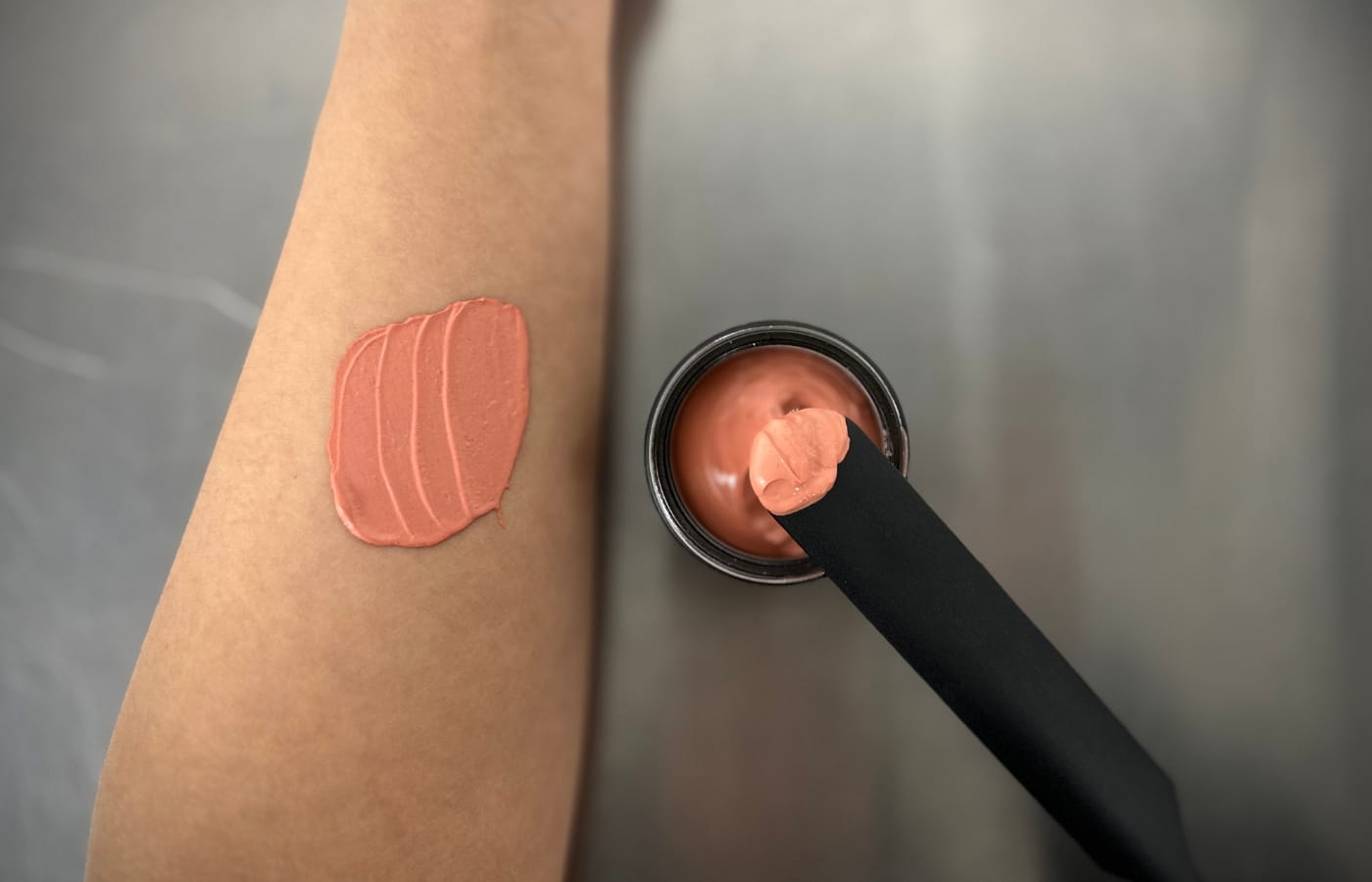
- a sampling plan so you’re not guessing on texture, finish, scent, and performance
If you’re going private label, ordering samples first is the easiest way to eliminate the guesswork and avoid costly mistakes before committing to a full run.
Start here: https://shop.sbellus.com
2) Marketing That Actually Matches How People Buy Skincare
Skincare is emotional and logical. People want to feel something (luxury, confidence, self-care), but they also want proof (ingredients, results, reviews, before/after, credibility).
So your marketing needs both:
- Brand story + aesthetic (the “why we exist”)
- Education + evidence (the “why this works”)
In practical terms, that means you need content that answers:
- What is this product for?
- Who is it best for?
- What results should someone expect—and how soon?
- What makes this formula special (ingredients, technology, sourcing, etc.)?
And you need to say it everywhere: website, email, socials, ads, Amazon listings—consistently.
A simple content system that works well for new skincare brands:
- 2–3 short-form videos per week (UGC style is perfect)
- 1 educational carousel per week (ingredients, routines, myths)
- 1 blog post per month to build SEO and long-term traffic
3) A Sales Strategy (Not Just “Launch Day”)
This is the piece most brands miss: marketing gets attention, but sales strategy gets revenue.
A sales strategy answers:
- Where will people buy? (Shopify, Amazon, wholesale, clinics, spas)
- What’s the offer? (bundles, starter kits, subscriptions, limited drops)
- What’s the funnel? (how strangers become customers)
- What’s the follow-up? (email + retargeting + reviews)
If you’re launching DTC, your first sales strategy can be simple:
- Lead magnet: “Find your routine” quiz, discount, or waitlist
- Entry offer: starter kit / sample kit / bundle (lower barrier)
- Core offer: full-size hero product(s)
- Upsell: routine bundle, add-on, subscription
- Retention: email flows + reorder reminders + review requests
And here’s the big one: plan for repeat purchases, not just first purchases. Skincare brands win when customers come back every 30–90 days.
If you’re still early, sampling can be part of your sales strategy too—because it helps you choose products you can sell confidently, price correctly, and build your brand around.
Final Thoughts
A skincare brand doesn’t fail because the founder didn’t care enough. It usually struggles because the launch was built on assumptions instead of systems.
If you want the strongest foundation possible, focus on:
- realistic expectations (so you don’t quit too early)
- marketing that educates + inspires (so people trust you)
- a real sales strategy (so attention turns into revenue)
And if you’re still choosing products, start with samples. It’s the fastest way to move forward with clarity.
Want to talk strategy? https://www.sbellus.com/free-strategy-call/