Published in:
Business
Dropshipping for Skincare Brands: The Complete Guide
You’ve created your private label skincare line. Now comes the hard part: getting products to customers without turning your garage into a warehouse.
What Dropshipping Actually Means
Dropshipping is a fulfillment model where a third party handles picking, packing, and shipping. You never physically touch inventory. For skincare brands, this means running your entire business from your laptop.
Your Dropshipping Options
Amazon FBA – Send inventory to Amazon’s warehouses. They handle fulfillment for orders placed on Amazon or through Multi-Channel Fulfillment on your website. Advantages: Prime eligibility, fast shipping (1-2 days), massive customer base. Cost: $3-5 per order in fulfillment fees plus storage.
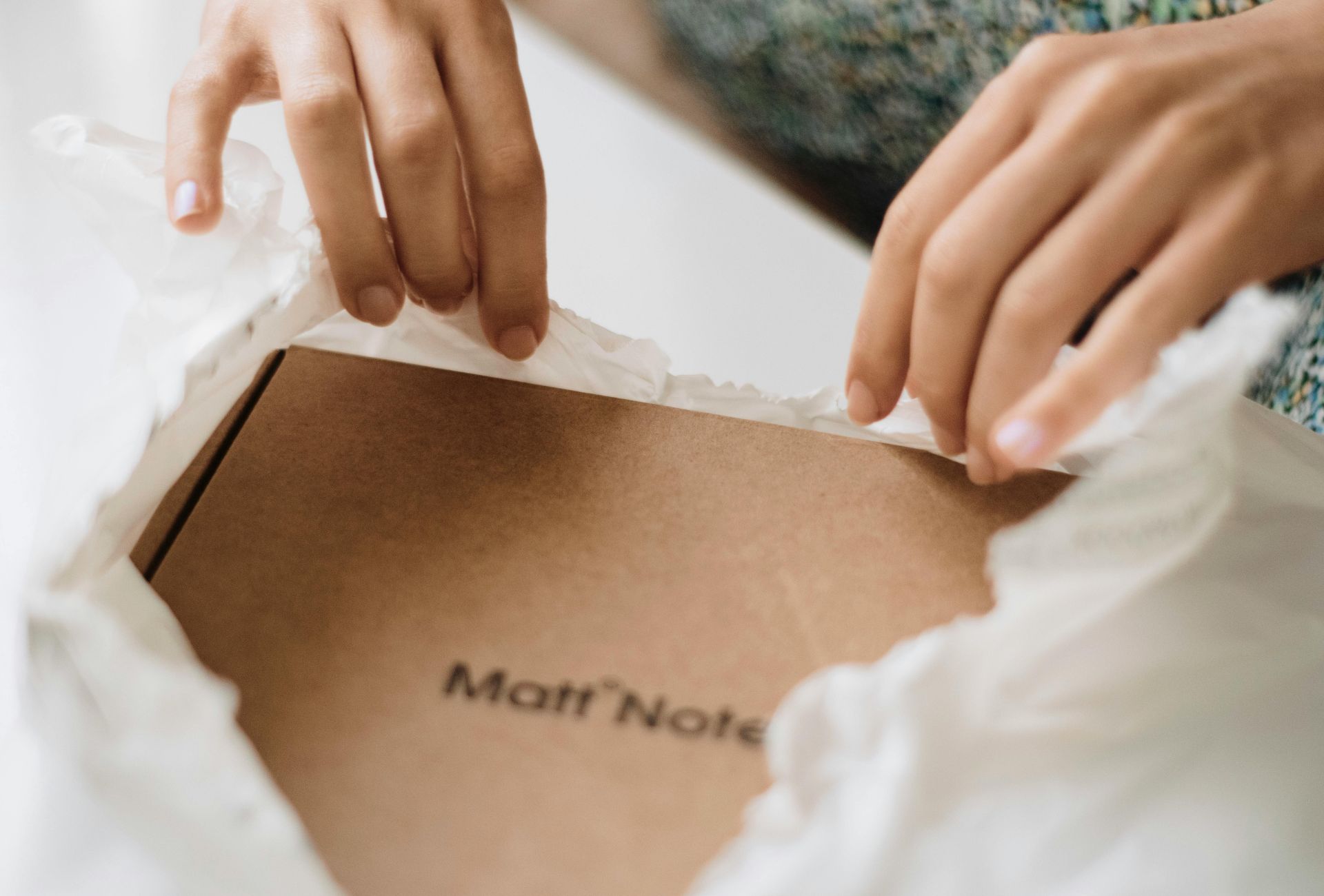
3PL Providers (ShipBob, ShipMonk) – More control than Amazon. They integrate with your Shopify or website, use your branded packaging, and fulfill orders from multiple channels. Advantages: custom unboxing experience, better inventory visibility, flexibility. Cost: $4-7 per order plus storage fees.
Manufacturer Dropshipping – Your private label skincare manufacturer produces and ships as orders come in. You only pay for what sells. Advantages: minimal upfront investment, no inventory risk. Disadvantages: higher per-unit costs, longer fulfillment times (5-10 days).
Self-Fulfillment – You handle everything. Store inventory, pack boxes, print labels. Advantages: lowest cost per unit ($3-5 total), complete control. Disadvantages: incredibly time-intensive, limited scalability, slower shipping.
The Pros of Dropshipping
✅ Capital efficiency – Money goes to marketing, not sitting in inventory. Critical for new brands.
✅ Scalability – Go from 10 to 100 orders daily without hiring staff or renting warehouse space.
✅ Geographic reach – Multi-warehouse providers mean customers everywhere get 2-3 day shipping.
✅ Time freedom – You run a skincare brand, not a logistics operation.
✅ Reduced risk – Pivot quickly if products don’t sell. No inventory sitting in your garage.
✅ Professional quality – 3PLs ship thousands daily. Better packing, fewer errors.
The Cons of Dropshipping
✅ Cost per unit – $4-7 per order adds up. On a $40 product, that’s 10-17% of revenue.
✅ Less control – Fulfillment mistakes become your brand problem.
✅ Inventory challenges – Especially with Amazon FBA, you might not know exact stock levels.
✅ Minimum volumes – Many 3PLs require 100+ monthly orders or charge higher fees for low volume.
✅ Returns complexity – More complicated when you don’t physically have inventory.
===
Making the Right Choice
Choose self-fulfillment if:
- Under 50 orders per month
- You have time and space
- Tight profit margins
- Testing products without 3PL commitments
Choose Amazon FBA if:
- Want access to Amazon’s customer base
- Fast shipping is crucial
- Comfortable with Amazon-branded packaging
- Selling 100+ orders monthly
Choose 3PL (ShipBob) if:
- Consistent 100+ orders per month
- Brand experience matters
- Selling through multiple channels
- Healthy margins to absorb fulfillment costs
Choose manufacturer dropshipping if:
- Testing new products without inventory commitment
- Selling high-ticket items ($75+)
- Want minimal upfront investment
- Comfortable with longer fulfillment times
The Hybrid Approach
Many successful skincare brands use multiple models. Test new products through manufacturer dropshipping, scale winners through Amazon FBA or 3PLs, maintain brand control on your website through ShipBob.
The Bottom Line
Dropshipping isn’t cutting corners – it’s strategic resource allocation. Every hour packing boxes is an hour not spent on marketing or growth.
For most private label skincare brands, dropshipping is the smartest path to scalable growth. The cost is real, but so is the value of your time.