Why January Is a Great Month to Launch Your Skincare Brand
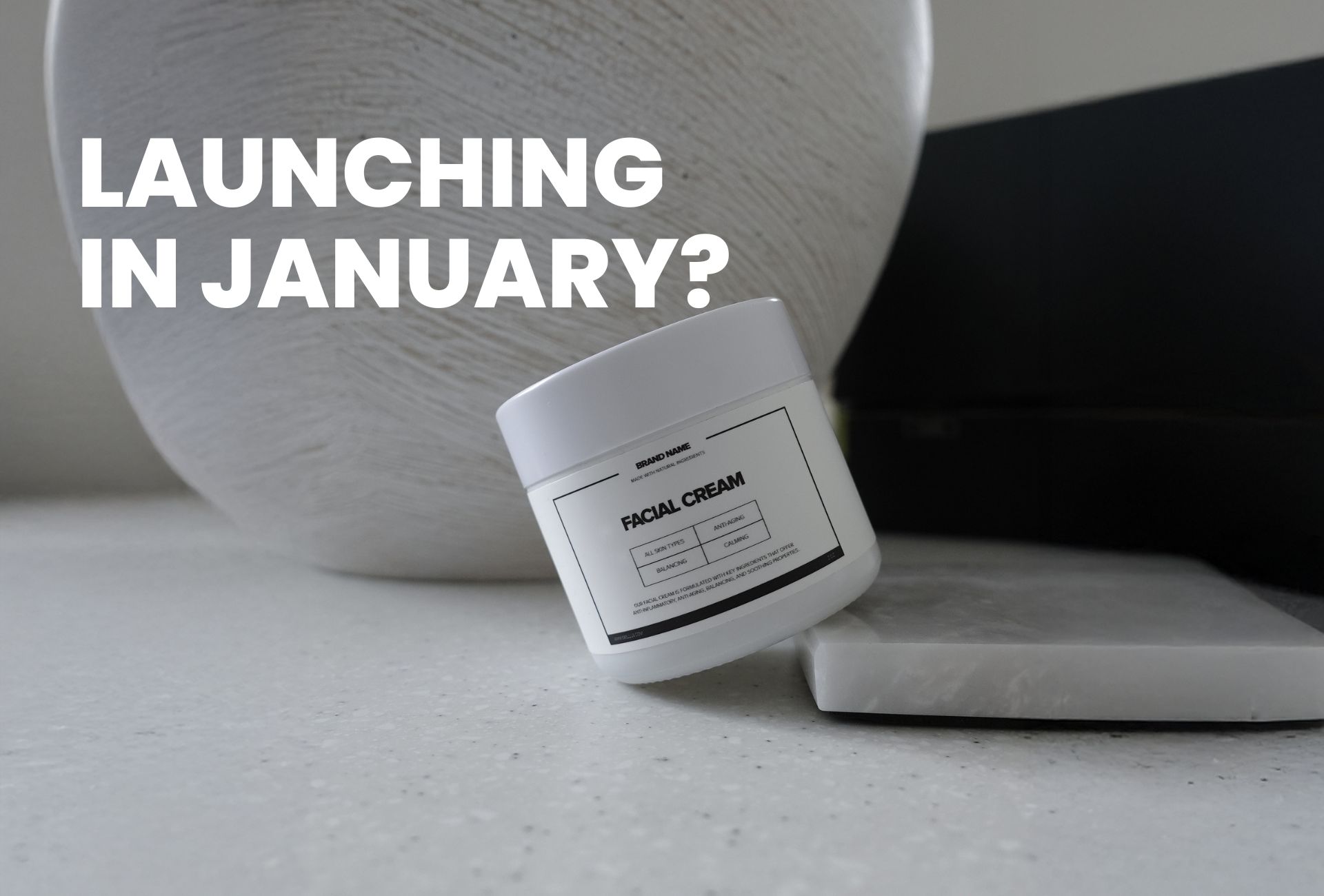
Everyone launches their skincare brand in September or October, hoping to catch the holiday shopping wave. But here’s what we’ve learned after helping hundreds of brands launch: January might actually be the smartest time to introduce your skincare brand to the world.
The New Year, New Skin Phenomenon
January is when people are actually ready to invest in themselves. The holiday spending hangover is real, but so is the genuine desire for self-improvement and fresh starts. Skincare isn’t an impulse holiday gift purchase in January – it’s a deliberate investment in personal wellness.
We see it every year: search volume for “best skincare routine,” “how to improve skin,” and “skincare for [specific concern]” spikes dramatically in January. People aren’t just browsing – they’re ready to commit to new routines and try new brands.
When you launch your skincare brand in January, you’re meeting customers at the exact moment they’re most receptive to change.
The Competition Advantage
Here’s what most people don’t realize: the beauty industry goes quiet in January. The big launches happened in fall. The holiday gift sets are being cleared out. Established brands are in planning mode for spring releases.
This creates a rare window where a new skincare brand can actually get noticed. Your launch isn’t competing with 47 other brands screaming for attention. Beauty editors are actively looking for fresh stories to cover. Influencers need content after the holiday rush dies down.
We’ve watched emerging brands get press coverage in January that would have been impossible to secure in October when every major beauty brand is fighting for the same editorial space.
The Private Label Timeline
If you’re working with private label skincare (which, let’s be honest, is the smartest way to launch without six-figure investments), January gives you the perfect timeline to build momentum before your peak selling season.
Here’s the reality: most skincare brands see their highest sales in spring and summer when people are focused on looking good for warm weather, vacations, and outdoor activities. Launching in January means you have 3-4 months to build your audience, refine your messaging, and create customer testimonials before your products are in highest demand.
You’re not trying to launch and immediately generate massive revenue – you’re building a foundation that pays off when buying intent naturally peaks.
The Manufacturing Sweet Spot
January through March is typically slower for private label skincare manufacturers. The holiday rush is over, and the summer prep hasn’t started yet. This means faster turnaround times, more attention from your manufacturing partner, and often more flexibility with minimum order quantities.
When you start a skincare business during peak manufacturing season (August through October), you’re competing with established brands placing large reorders. Your small initial order might get pushed to the back of the production schedule.
Launching in January means your manufacturing partner can give your formulation the attention it deserves, answer your questions thoroughly, and ensure your first production run is absolutely perfect.
The Content Creation Window
Successful skincare brands need content – lots of it. Product photography, ingredient education, routine tutorials, before-and-after documentation, founder story videos, and more. Creating all this content while simultaneously trying to fulfill orders and manage customer service is overwhelming.
January gives you time to create a content library before you’re drowning in operational demands. You can shoot multiple months of social media content, write blog articles, create email sequences, and develop your brand voice without the pressure of immediate sales demands.
By the time spring hits and customer acquisition costs drop (more on that next), you have a polished content strategy ready to scale.
The Advertising Cost Advantage
Here’s a secret that performance marketers know: Facebook and Instagram ad costs plummet in January. After the insanely competitive (and expensive) Q4 holiday season, cost-per-click and cost-per-acquisition drop significantly.
This means your advertising budget goes further when you launch your skincare brand in January. You can test different audiences, refine your messaging, and figure out what actually converts – all while spending 30-50% less than you would during peak season.
By the time ad costs rise again in spring, you’ve already identified your winning campaigns and can scale profitably.
The Influencer Availability
Influencers and content creators are burned out in January. They just spent months creating holiday gift guides, sponsored content, and year-end roundups. They’re looking for fresh brands to feature and new partnerships to explore.
This is when you can actually get responses to your outreach emails. Established brands aren’t flooding influencer inboxes with partnership requests. Micro-influencers especially are open to trying new private label skincare brands because they need content and their audiences are actively seeking new product recommendations.
We’ve seen emerging brands secure influencer partnerships in January that would have cost 3-5x more (or been completely unavailable) during peak season.
The Founder Mindset
Let’s talk about something nobody discusses: the mental and emotional bandwidth required to launch a skincare brand. If you’re launching in October or November, you’re immediately thrown into the chaos of holiday fulfillment, customer service during the busiest shopping season, and trying to scale before you’ve even figured out your systems.
January allows you to launch with breathing room. You can personally respond to every customer email. You can troubleshoot shipping issues without 50 orders backing up. You can refine your product descriptions based on actual customer feedback.
This slower ramp-up period is invaluable for first-time founders who are learning as they go. By the time sales volume increases, you’ve already worked out the operational kinks.
The 90-Day Testimonial Strategy
Skincare results take time – usually 28-90 days for customers to see real transformation. If you launch your skincare brand in January, your first customers are seeing results by March and April, right when new customers are actively shopping for skincare.
This timing is perfect for collecting testimonials, before-and-after photos, and user-generated content that you can leverage during your peak selling season. You’re not asking customers to review products they’ve used for two weeks – you’re showcasing genuine transformation from people who’ve completed full skincare cycles with your products.
The Retail Preparation Timeline
If your long-term goal includes retail partnerships (boutiques, spas, specialty stores), January launches give you time to build the sales history and customer reviews that retailers want to see before taking on a new brand.
Most retail buyers plan their inventory 3-6 months in advance. Launching in January means you can approach retailers in late spring with actual sales data, customer testimonials, and proof that your skincare brand has market demand. You’re not asking them to take a chance on an unproven product – you’re showing them a brand with momentum.

The Amazon Advantage
If you’re planning to sell on Amazon (and you should consider it), January is ideal for learning the platform before Q4 when competition and advertising costs skyrocket. You can optimize your listings, build reviews, and figure out Amazon’s algorithm during a less competitive period.
By the time holiday shopping season arrives, you’re an established seller with reviews and ranking history – massive advantages over brands trying to launch on Amazon during peak season.
The Realistic Revenue Expectations
Here’s the truth: most skincare brands don’t become profitable in their first 90 days regardless of when they launch. January launches remove the pressure to immediately generate massive revenue during the most expensive time to acquire customers.
You can focus on building a sustainable business model rather than chasing holiday sales that might not be profitable once you account for increased ad costs, shipping expenses, and customer acquisition costs.
The brands that launch in January and build steadily often outperform brands that launch in fall, have a chaotic holiday season, and burn out by February.
The Supply Chain Reality
Global supply chains are most reliable in Q1. Shipping delays, ingredient shortages, and packaging backorders are far less common in January through March than during the rest of the year.
When you start a skincare business in January, you’re not worried about your bottles being stuck on a container ship or your boxes arriving three weeks late. You can plan reorders with confidence and avoid the supply chain chaos that plagues brands launching during peak season.
Making January Work for You
If you’re reading this and thinking “but I wanted to launch in fall,” consider this: the best time to launch your skincare brand is when you can give it the attention, resources, and strategic planning it deserves.